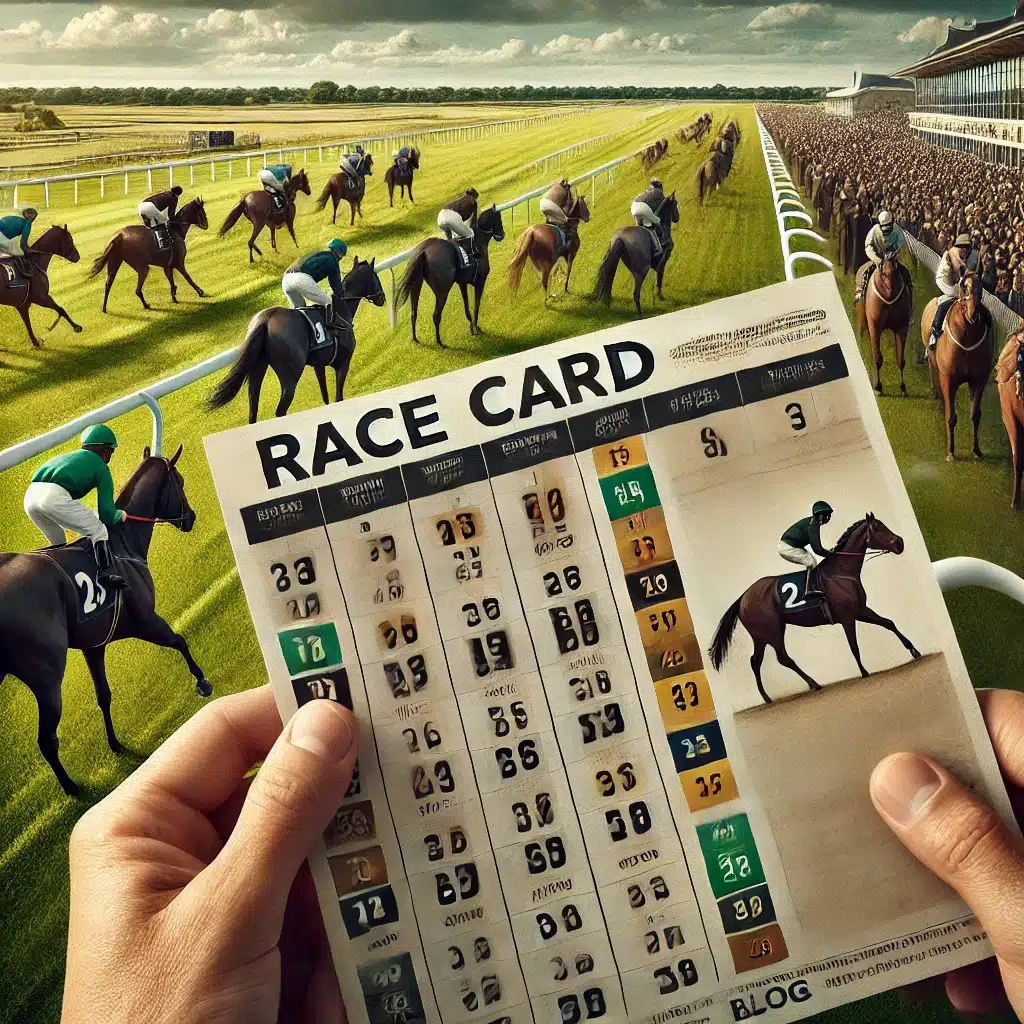
RACE CARD FAQs
What are race cards, and why are they important?
Race cards provide essential details about each race. This includes horses, jockeys, trainers, distances, and track conditions. They help you make informed betting decisions and follow the action with key insights.
Where can I find today’s horse racing cards?
You can access today’s race cards right here on Betting Gods, using the Today tab above. It shows all UK and Irish races and includes everything you need to stay ahead.
How can I view tomorrow’s racing cards?
Planning ahead? Select the Tomorrow tab at the top of this page. You can study upcoming races and prepare your bets before markets move.
Are Irish racing cards available?
Yes. Our race cards include Irish meetings at Leopardstown, The Curragh, Punchestown, and more. You’ll find all the details you need for Irish racing.
What information is included in a race card?
A standard race card features key details such as:
- Race time and location
- Horse names and recent form figures
- Jockey and trainer details
- Official weights and draw numbers
- Going conditions
- Non-runners and latest changes
This helps you analyse races, identify strong contenders, and refine your betting strategy.
How often are race cards updated?
Our race cards update every few minutes. They reflect the latest entries, non-runners, and track condition changes. Check back on race day for last-minute updates.
Can I find a list of today’s non runners somewhere?
Yes. We’ve got a full list of today’s non runners right here: https://bettinggods.com/non-runners-today/
Can I access race cards for international horse racing?
Betting Gods focuses on UK and Irish racing. For global events, major racing sites cover international meetings in France, the USA, and Australia.
What is a good official rating for a horse?
It depends on the race type. For flat racing, an average horse sits around 70-90. Competitive performers usually start from 100. Group or top-class races feature horses rated 110 or above. Exceptional horses reach 120 or more. Top Group 1 winners often achieve ratings between 115 and 125. Context matters: age, track conditions, and race quality all influence ratings.
What are jockey silks?
Jockey silks are the colourful jackets jockeys wear during races. Each set represents the horse’s owner. This makes it easier to identify horses on track. Designs vary from simple to intricate. Race cards often show a visual of the silks.
How do you read horse racing form such as 11-342?
Form figures show a horse’s recent finishing positions. Numbers run from oldest (left) to most recent (right). The hyphen separates last season from this season. For example, ’11-342′ means the horse won two races at the end of last season. This season it’s finished 3rd, 4th, and 2nd. Other symbols include: 0 (finished outside top 9), F (fell), U (unseated rider), P (pulled up), R (refused).
Why does the jockey matter on a race card?
A jockey’s skill and experience significantly impact a horse’s chances. Some jockeys excel at particular courses or with specific trainers. Top jockeys bring out the best in horses. The race card highlights the jockey’s name for your analysis.
Why does the trainer matter on a race card?
Trainers prepare horses for races, managing fitness, training schedules, and race strategy. Certain trainers excel at specific courses or race types. The race card includes the trainer’s name. This lets you identify in-form trainers.
What does the Official Rating (OR) mean on a race card?
The OR is assigned by the British Horseracing Authority. It indicates a horse’s ability. Higher ratings mean better horses. The OR is crucial in handicap races. Horses carry different weights based on ratings to level the playing field. Ratings change based on performances.
How important is the going (track conditions) when betting?
The going refers to track conditions. It significantly impacts performance. Some horses excel on firm ground. Others prefer softer conditions. Check a horse’s past performances on similar goings. Ignoring track conditions leads to poor betting decisions.
How does the draw (stall position) influence a race?
In flat racing, a horse’s draw can significantly affect its chances. Some tracks favour inside or outside draws. This depends on track layout and race distance. Study past results to identify which starting positions perform best.